
What to Expect During a Professional Masonry Installation
People searching for masonry installation are typically looking to enhance their property with durable, professionally built structures, and local service providers can ensure quality craftsmanship and proper project execution.
If you're considering a masonry project for your property, understanding what to expect during a professional masonry installation can help you feel more prepared and confident in the process. Property owners in the area often explore this topic to ensure their outdoor spaces, walls, or features are built to last and enhance the property's value. Knowing the typical steps involved, from initial assessment to final finishing, can make working with local contractors smoother and more transparent. This knowledge also helps in making informed decisions about materials, design, and project scope, ensuring the work aligns with your vision and needs.
Engaging with experienced local service providers can make all the difference in achieving successful results. These professionals handle everything from site preparation to the finishing touches, providing expertise that ensures your project is completed efficiently and to high standards. By understanding what occurs during a professional masonry installation, property owners can better communicate their expectations and collaborate effectively with local contractors. Keep reading to learn more about the process and how local pros can help bring your masonry ideas to life.
- Brickwork Repair - homeowners may need this service when repairing damaged or deteriorated brick structures, with local contractors assessing the extent of the damage and ensuring proper restoration.
- Retaining Wall Construction - property owners seeking to stabilize slopes or define landscape features can rely on service providers to plan and build durable masonry retaining walls.
- Fireplace Installation - those wanting to add a functional or aesthetic fireplace can expect local pros to prepare the site and skillfully install masonry components.
- Patio and Walkway Masonry - clients looking to enhance outdoor spaces might have service providers lay durable, attractive stone or brick surfaces according to project specifications.
- Chimney Repair and Restoration - individuals with aging or damaged chimneys can anticipate thorough inspection, cleaning, and masonry repairs handled by experienced contractors.
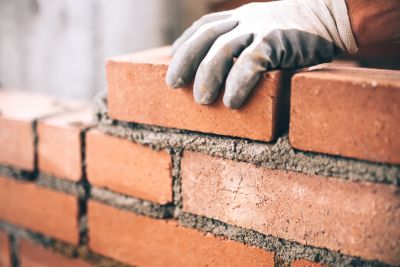
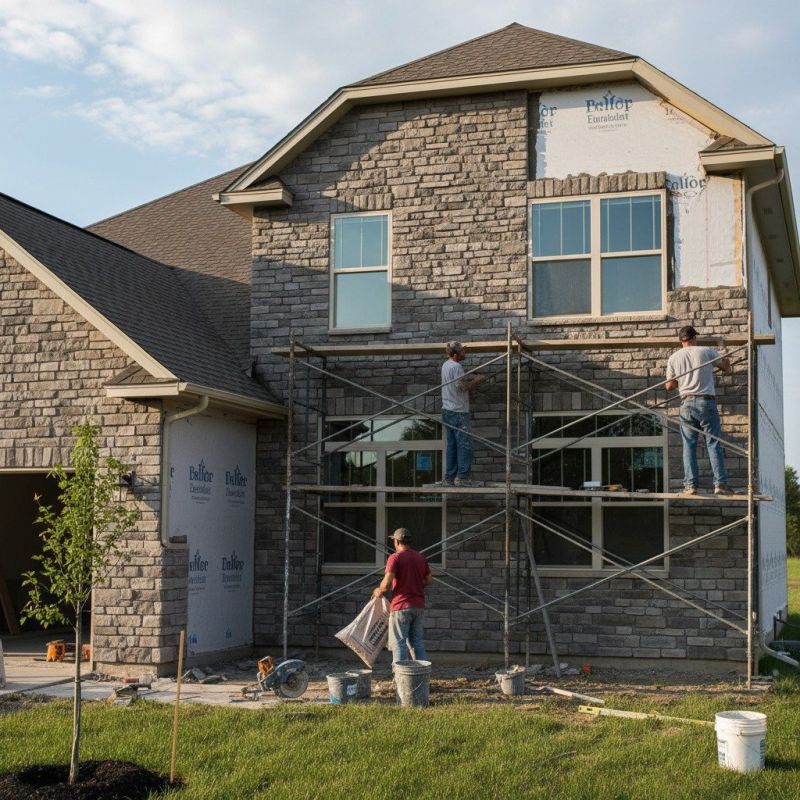
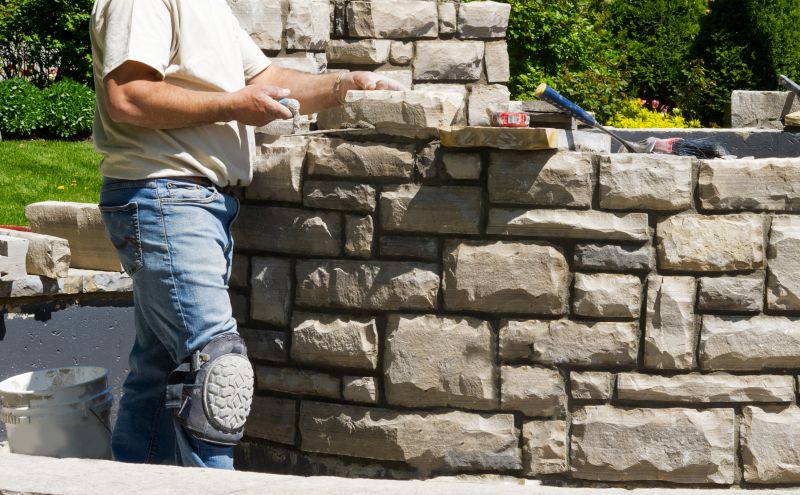
When searching for information about what to expect during a professional masonry installation, homeowners are often looking to understand the overall process involved in installing structures like brick walls, stone facades, or other masonry features. These projects are typically associated with enhancing the appearance, functionality, or value of residential or commercial properties. People may have plans to build or replace features such as fireplaces, outdoor patios, retaining walls, or entryway accents, and want to know how experienced contractors approach the work. Understanding what happens during a masonry installation helps homeowners prepare for the project, anticipate the scope of work, and ensure that they are engaging with qualified service providers who follow proper procedures.
Masonry installation involves several key phases that homeowners should expect to see when working with local contractors. Initially, there will be site preparation, which includes clearing the area, leveling the ground, and sometimes laying a foundation or base for the structure. During the actual installation, pros will carefully lay bricks, stones, or blocks in a specific pattern, ensuring stability, alignment, and aesthetic appeal. The process may also include mixing mortar, applying it between units, and allowing it to cure properly. A professional masonry installer will manage these steps efficiently, paying attention to details like proper jointing and weather considerations. Homeowners should be aware that the work can be labor-intensive and may require some time for the mortar to set and cure before the project is considered complete.
The types of properties that most often involve masonry projects include single-family homes, multi-family residences, and commercial buildings. Residential properties frequently feature brick or stone facades, fireplaces, patios, or garden walls that benefit from professional installation. Commercial properties might require masonry for storefront facades, retaining walls, or decorative features that enhance curb appeal. The scope of projects can vary widely, from small repairs or upgrades to large-scale construction. Local service providers are experienced in handling different property types and project sizes, ensuring that each installation is tailored to the specific needs of the property and its use. This versatility makes it easier for homeowners and property managers to find skilled pros who can deliver quality results.
Throughout a professional masonry installation, homeowners can expect a process that emphasizes craftsmanship, attention to detail, and proper handling of materials. From initial site assessment to final finishing touches, experienced contractors will communicate their approach and ensure the work aligns with the project’s goals. They will manage the logistics of material delivery, site safety, and weather considerations to keep the project moving smoothly. Homeowners should be prepared for some level of disruption during the installation, but understanding what to expect can help manage expectations and foster clear communication with the chosen service provider. Ultimately, a professional masonry installation aims to produce a durable, attractive feature that enhances the property’s value and appearance for years to come.
Fireplace and Chimney Projects - These projects require precise masonry skills and attention to detail, similar to what is needed during a professional masonry installation to ensure safety and durability.
Retaining Wall Construction - Building retaining walls involves planning, site preparation, and the use of specialized tools, paralleling the processes involved in masonry installation work.
Patio and Walkway Installations - Installing patios and walkways demands similar foundational work, material handling, and craftsmanship as other masonry services.
Brick and Stone Facades - Applying decorative or structural facades involves skillful masonry techniques and careful planning, akin to those used during professional masonry installation.
Outdoor Fireplace and Kitchen Building - These features require masonry expertise in working with fire-resistant materials and detailed craftsmanship, comparable to installation projects.
Structural Stonework - Creating arches, columns, or load-bearing stone features involves advanced masonry skills and precision, similar to the skills needed during professional masonry installation services.
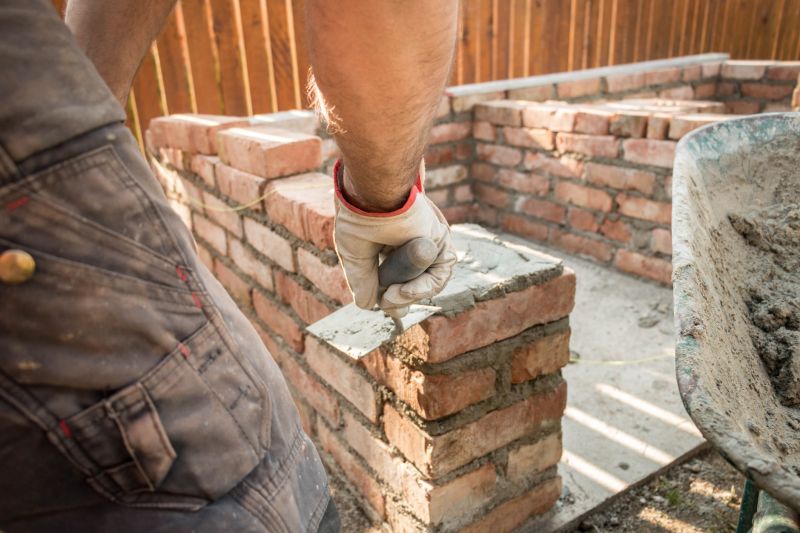
When comparing masonry installation service providers, it is important to consider their experience with similar projects. Homeowners should inquire about the types of masonry work the contractors have completed in the past, such as patios, retaining walls, or fireplaces, to ensure they have relevant expertise. A contractor with a solid track record handling projects like yours is more likely to understand the specific requirements and challenges involved, leading to a smoother installation process and a result that meets expectations.
Clear, written expectations are essential when evaluating local contractors for masonry installation. Pros who provide detailed project descriptions, including scope of work, materials to be used, and the steps involved, help homeowners understand what to anticipate during the process. Having this information in writing reduces misunderstandings and ensures everyone is aligned on the project’s goals. It also provides a reference point for addressing any questions or concerns that may arise as work progresses.
Reputable references and effective communication are key indicators of a reliable masonry service provider. Homeowners should ask for references from previous clients who had similar work done, providing insight into the contractor’s professionalism and quality of work. Good communication practices, such as prompt responses to inquiries and willingness to discuss project details, help foster a positive working relationship. These qualities contribute to a clearer understanding of what to expect during a professional masonry installation and can help ensure the project proceeds smoothly from start to finish.
Property owners often search for what to expect during a professional masonry installation when they are planning practical projects around their homes and businesses. Local pros provide Masonry Installation services for everyday jobs and straightforward project options.
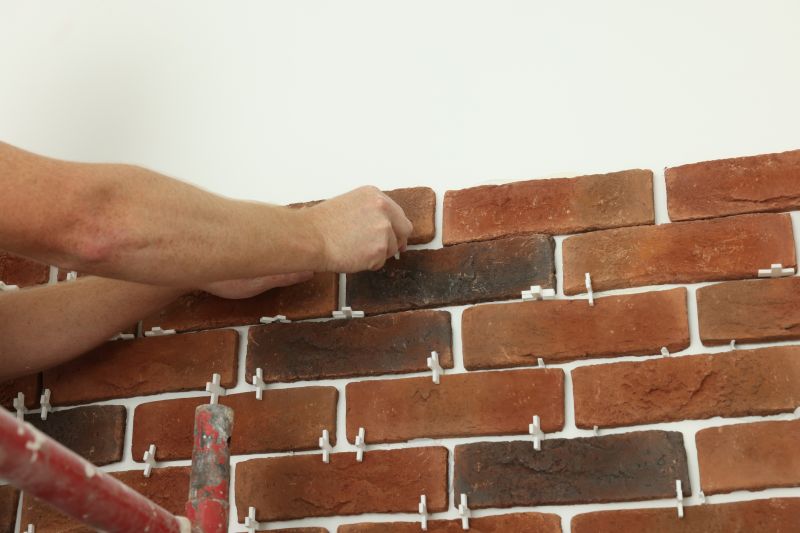
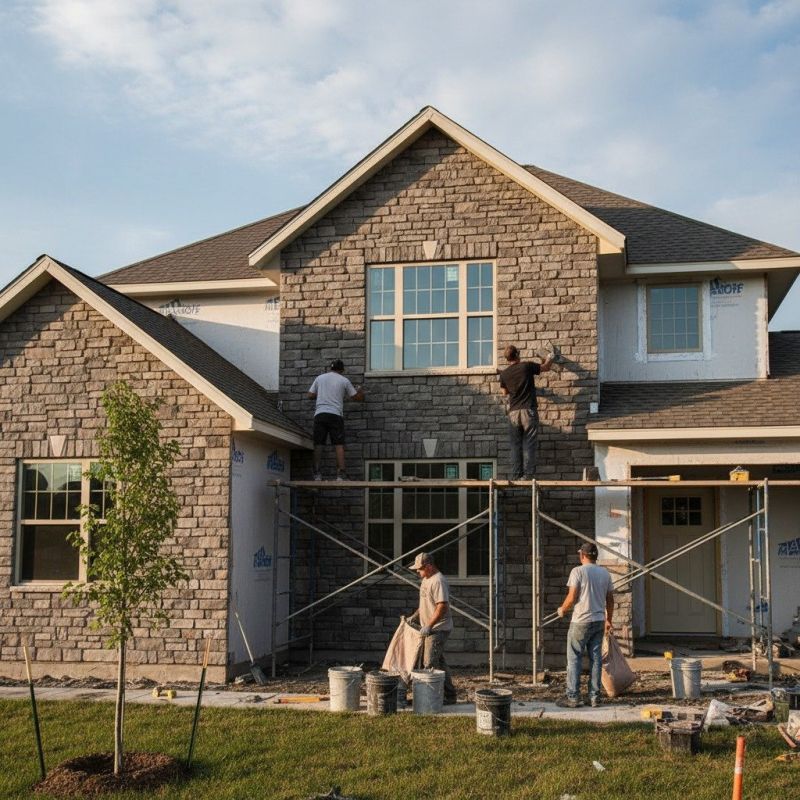
During a professional masonry installation, property owners can generally expect a straightforward process that begins with an assessment of the project area. Local contractors often start by preparing the site, which may involve clearing the space and ensuring a stable foundation. Throughout the installation, clients might notice the use of various materials like bricks, stones, or concrete blocks, carefully laid out to meet the design specifications. The work typically involves mixing mortar, placing each piece precisely, and allowing time for curing, all of which contribute to a durable and visually appealing result.
Many property owners seek out masonry services to enhance the structural integrity or aesthetic appeal of their property. During the process, it’s common for local service providers to manage the details of layout and construction, ensuring the project aligns with local building standards. Property owners may also observe the use of tools such as trowels, levels, and jointing tools, which help achieve a professional finish. Ultimately, working with experienced local pros can help ensure that the installation meets expectations for quality and longevity.
What should I expect during a professional masonry installation? During a masonry installation, local contractors typically prepare the site, lay out the design, and carefully build the structure using durable materials. They ensure proper alignment, leveling, and jointing to achieve a professional finish.
How do professionals handle the preparation process? Local pros usually clear the area, set up necessary tools and scaffolding, and prepare the foundation or base to ensure stability and proper support for the masonry work.
What steps are involved in the actual masonry work? The process involves mixing and applying mortar, laying bricks or stones precisely, and adjusting each piece for correct placement and appearance, all while maintaining safety standards.
Will there be any finishing touches during installation? Yes, professionals typically clean excess mortar, smooth joints, and may apply sealants or protective coatings to enhance durability and appearance of the finished structure.
What can I expect regarding the overall quality of the work? Local contractors aim to deliver precise craftsmanship, attention to detail, and structurally sound results that meet industry standards for durability and aesthetic appeal.
Site preparation - Property owners can expect local contractors to clear and level the area to ensure a stable foundation for the masonry work.
Material selection - Discussing options with local service providers helps owners choose durable materials that suit the project’s aesthetic and functional needs.
Installation process - Understanding the typical steps involved allows property owners to plan around the work and anticipate how the project will progress.
Finishing touches - Local pros often include details like sealing or cleaning, which help enhance the appearance and longevity of the masonry installation.
If you are thinking about what to expect during a professional masonry installation for a property, this guide is meant to help you understand this topic, the typical project types, and how different options might fit your plans.
When you are ready, you can use the quote form on this page to share a few details about your project. From there, local pros can review the basics and follow up with options that match what you have in mind.